High achievers don’t usually struggle with motivation.
They struggle with stopping.
The same brain that builds successful careers, manages complex projects, and solves problems all day is often the brain that refuses to power down at night. And for many driven professionals, insomnia isn’t a failure of discipline, it’s a side effect of how their nervous system has been trained to perform.
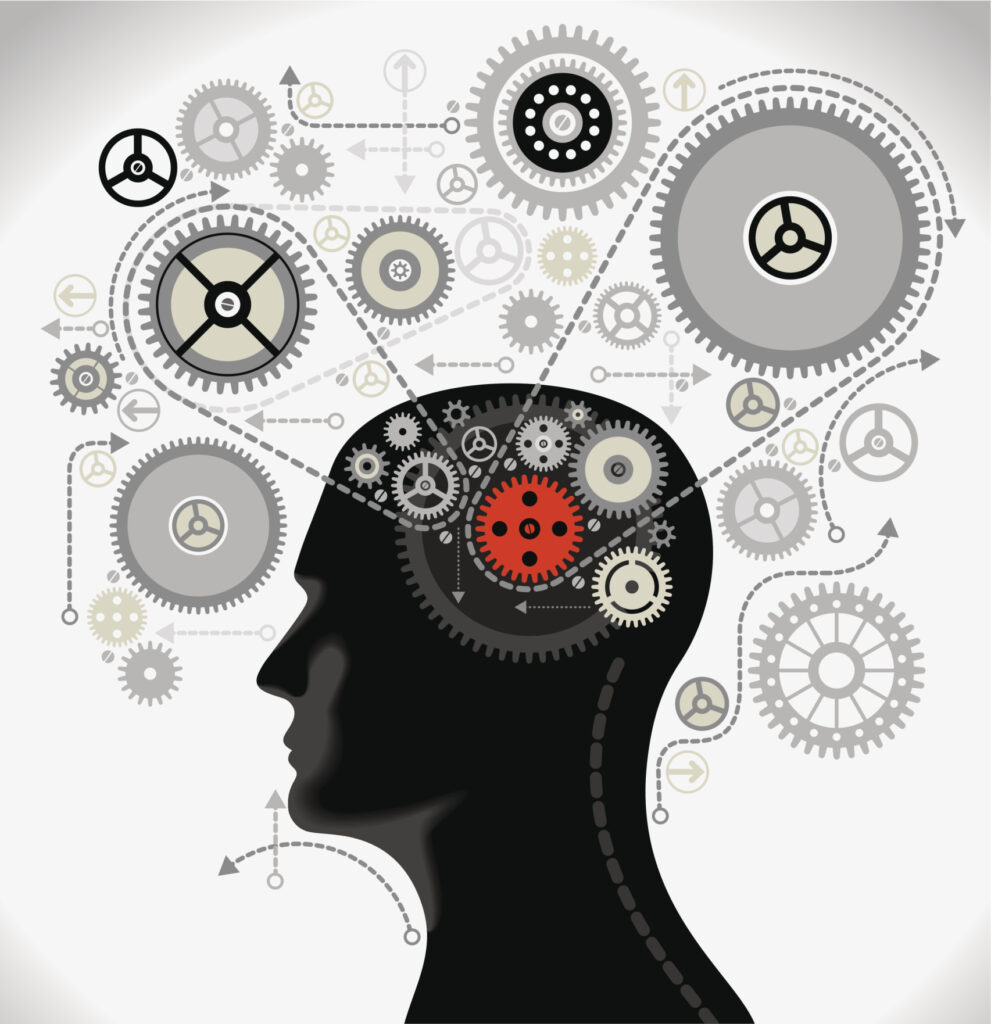
High performers tend to live in a state of chronic cognitive activation. You’re scanning for problems, optimizing, anticipating, and planning. That’s incredibly useful at work. But sleep doesn’t happen in a performance state. It requires the nervous system to shift out of doing and into being.
When that shift doesn’t happen, people don’t just lie awake, they lie awake trying.
Trying to make themselves relax.
Trying to force sleep.
Trying to “fix” tomorrow’s exhaustion.
That effort is exactly what keeps the brain alert.
Many ambitious, conscientious people develop what we call sleep effort,the belief that sleep is something you must achieve through control, tracking, supplements, routines, or perfect conditions. The more important sleep feels for your productivity, mood, and performance, the more pressure you put on it. And pressure activates the very system that blocks sleep.
This is why so many high achievers feel tired but wired.
Exhausted but unable to rest.
Productive by day, overstimulated by night.
Ironically, the traits that drive success: focus, responsibility, self-monitoring, problem-solving become liabilities in bed. Sleep isn’t a task to complete. It’s a biological state that happens when the brain feels safe enough to let go.
From a CBT-I (Cognitive Behavioural Therapy for Insomnia) perspective, the goal isn’t to optimize sleep. It’s to remove the conditions that keep the brain on high alert. That means changing how you relate to wakefulness, fatigue, and nighttime thoughts, not adding more effort.
Real productivity doesn’t come from squeezing more out of exhausted systems.
It comes from restoring the nervous system so your brain can actually recover.
If your mind keeps working long after your laptop is closed, it may not be because you don’t know how to sleep. It may be because your brain has forgotten how to stop performing.